
From grey to green with the Nature Park grant
We're approaching the end of the third academic year of the National Education Nature Park, and what a year it's been! Over 9,800 schools, colleges and nurseries across England have now signed up, with over half of these adding themselves to the Nature Park Map and over 2,000 starting to create a map of the habitats in their outdoor spaces.
Over the past academic year, 575 settings have received a Nature Park grant from the Department for Education, taking the total of settings receiving grants through the programme to 1,832 so far.
They've been using this grant to create new habitats on their sites – supporting local wildlife and providing spaces for outdoor learning and enjoyment, with all of these spaces adding up to create a nationwide green space for nature. Here’s a snapshot of what's been happening across the country.


North East
At Kibblesworth Academy in Gateshead, a decked area with paving stones underneath had fallen into disrepair. This was removed to make an area for pollinators and a quiet area for learners, which is now used as a calm space during breaktimes and as a hub for curriculum and after school activities.

North West
At Co-op Academy Medlock in Manchester, rotting raised beds were removed in a tarmacked area of the school field and replaced with new raised beds, creating a new habitat for insects, birds and butterflies. They've added new herbs and non-toxic plants and installed a trellis for climbing plants.
Learners improved a derelict pond, with better access so it could be enjoyed more by the school community. A hibernacula area for invertebrates and a basking area for insects was added.

Yorkshire and the Humber
At Maltby Manor Academy in Rotherham, a paved courtyard has been transformed into a wildlife garden. Raised planters have been installed with flowers, herbs and shrubs to attract pollinators, and planters with integrated benches offer seating while also providing a habitat for nature. Every inch of space has been used, with even the edges of the courtyard being turned into mini wildlife habitats with bug hotels and log piles for small insects.

East Midlands
At Breadsall Hill Top Primary School in Derby, they've been reusing old planters and adding even more to create space for growing fruit, vegetables and plants for pollinators. Planters have been added all over their site in 'grey' areas to attract wildlife. Learners use these areas to support their science lessons, and the eco club have taken responsibility for looking after all the planters.

West Midlands
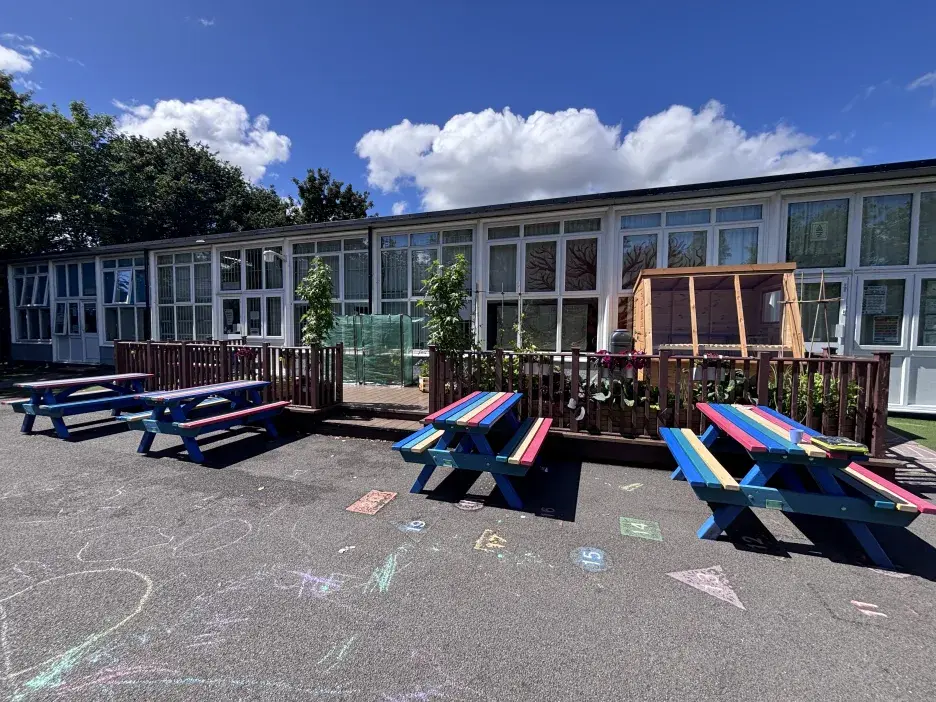
At Annie Lennard Primary School in Sandwell a decked area has been reimagined as wildlife haven, complete with a greenhouse and raised beds. This has allowed the school to start a gardening club for pupils to grow food from seed. Planters have been added all over their concrete playground, providing food and shelter for wildlife.

East of England
At Great Yarmouth Charter Academy a wildlife pond now sits in a previously unused area, surrounded by dwarf apple, pear, plum and fig trees that have been planted in pots. The area is easily accessible for use during lessons, and the planters provide firm edges for resting forearms, clear reach zones and tactile labels for sensory access. Learners monitor the water clarity fortnightly. Spring blossom feeds bees and hoverflies; summer foliage shelters amphibians and invertebrates moving between beds and water and autumn fruit supports thrushes and blackbirds. Seating nearby encourages quiet observation and curriculum use, turning an unused strip into an accessible, edible corridor that boosts biodiversity year-round.

London
At Alice Model Nursery School in Tower Hamlets, an existing small pond has been extended to create a safe area for learners to explore pond life. Plants have been added to empty planters around the pond, with herbs and spices for children to explore. Learners use the pond weekly in 'Understanding the World' sessions and regularly monitor the flora and fauna in the pond and around the garden.

South East
At Freemantle Church of England Community Academy in Southampton, planters are now present throughout the school playground, with trellises for climbing plants to grow vertically. Learners were keen to grow plants to attract birds and insects and add sparrow and swift boxes to support the swifts that they've spotted visiting their site during the summer. The result is a transformed previously 'grey' space, and learners have been enjoying caring for their new habitats.

South West
At The Quay School in Poole, a grey playground has been turned into a green oasis, giving each classroom their own outside space and providing a location for learners to regulate their emotions. Plants such as lavender were chosen to encourage insects and bees and provide a calming scent for the school community. Environmental science lessons have been planned around their new space, monitoring the numbers of species and wildlife that are using the site.
All of these settings were recipients of this year's Nature Park grant. The list of eligible settings for next year (2026-27) is available here, and we've got a list of other funds you can apply for to support you on your Nature Park journey.