
Independent review evaluates the Nature Park so far
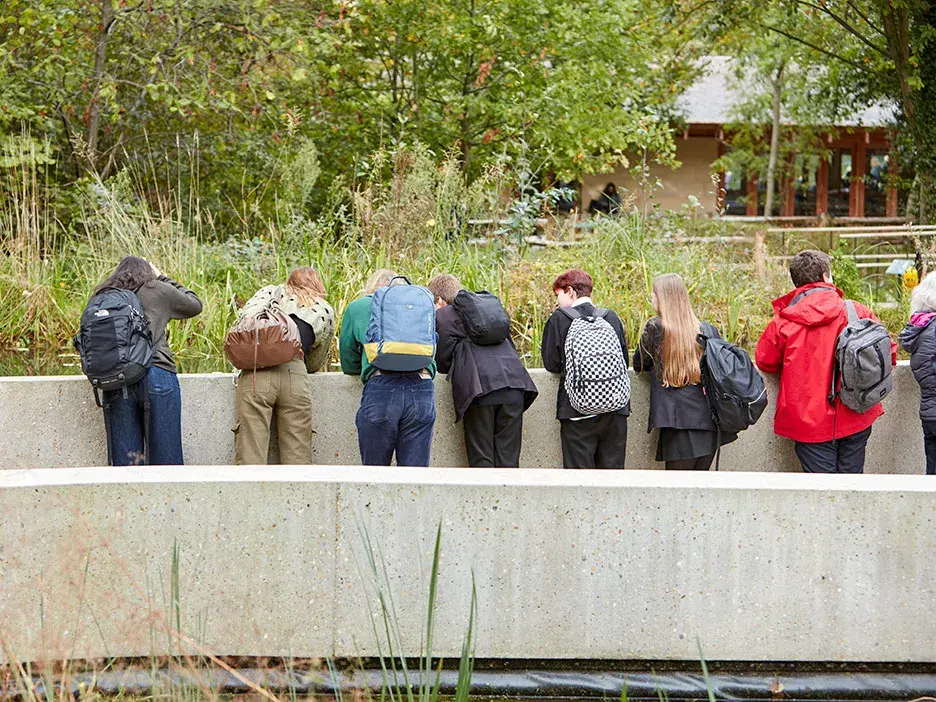
When development of the Nature Park programme began in late 2022, the Department for Education commissioned research consultants Ecorys to produce an independent, rigorous evaluation of the Nature Park programme, and the executive summary of this has recently been published. Read on to discover some of the key findings, and how we’re using them to drive development and refinement of the programme.
As a partnership, we’re delighted to see the successes of the programme so far confirmed by this independent evaluation. We’re also heartened that the areas that have been identified as needing further development align with our areas of focus outlined in our most recent annual report.
Thank you!
First up, we wanted to say an enormous thank you to the more than 500 education staff who took the time to respond to the surveys or have been case study settings that have formed the basis of this evaluation. We appreciate how busy you are, and we’re so grateful to have your support on making this programme the best it can be and make climate and nature education an integral part of everyday teaching and learning.
Positive findings
- Pupils enjoy learning outdoors with the programme. This was particularly valued by settings whose pupils may have limited access to the outdoors away from school.
- Staff and students are finding the Nature Park digital tools like the Habitat Mapper straightforward, with 72% of respondents finding them easy to use.
- We’re glad to be reaching settings new to environmental education, with more than one third of registered settings having had no prior involvement in any nature-related programmes.
- 38% of registered settings are those with higher-than-average eligibility for Pupil Premium and free school meals, driven by the grants programme.
- Most teachers surveyed are finding the Nature Park curriculum resources and activities easy to use, and adaptable for their needs.
- A range of positive outcomes for pupils, educators and whole school communities have been reported, including: more time spent in nature, improved school grounds, increased wellbeing, increased knowledge about biodiversity and climate change, and more lessons about biodiversity and climate change.
- The benefits of the Nature Park programme are environmental, emotional and educational. Early years practitioners reported activities supporting language development and emotional and behaviour regulation; primary settings noted positive engagement from pupils who struggled with concentration and behaviour in classrooms; and secondary school pupils were reported to have pride and ownerships of the spaces they’d improved through the programme, and motivation to take further positive climate related actions.
Areas of development
It’s been heartening to read findings that have confirmed areas of development we are currently working on, including:
- Tailoring the programme for Early Years settings, with dedicated guides and resources now available
- Developing the programme for SEND and Alternate Provision settings over the coming year
- Conducting research into the wellbeing impacts of the programme for young people and educators
- Access to the data collected through the programme – the Nature Park Map is now live, and we will soon be releasing a dedicated site all about exploring your data and using it in lessons
- Further co-creation and continuing to bring educators’ and young people’s voices into the programme
- Ongoing improvement to the website and user journey
- Publishing further case studies sharing best practice and inspiration
The evaluation also confirmed that the programme is very reliant on the personal energy and goodwill of key individuals in settings, and that to ensure a whole-school and sustainable approach is brought about, further educator involvement, training and SLT buy-in are needed. We are endeavouring to support this through:
- Ensuring we bring out alignment of the programme with settings’ existing priorities
- Further integration of the Nature Park programme into the curriculum
- Upskilling and supporting organisations working with settings on the Nature Park programme, particularly the scientific aspects of the programme
- Working with the other DfE sustainability programmes to support settings with their Climate Action Plans
- Continuing to work with CAPE (Climate Adapted Pathways for Education) as our affiliate for SLT professional development, and with programme partner Manchester Metropolitan University on its DfE-commissioned research into options for Nature Park teacher training
Thank you to Ecorys and the Department for Education for conducting and commissioning this report. And once again, thank you to every educator who took part in the evaluation process. We’re excited to take this forward throughout the third academic year and beyond, and remain committed to listening to, learning from and creating with educators and learners so together we can make a positive difference to the future of both people and the planet.