
Keyham Barton Catholic Primary School: Bringing nature into small spaces at a city school
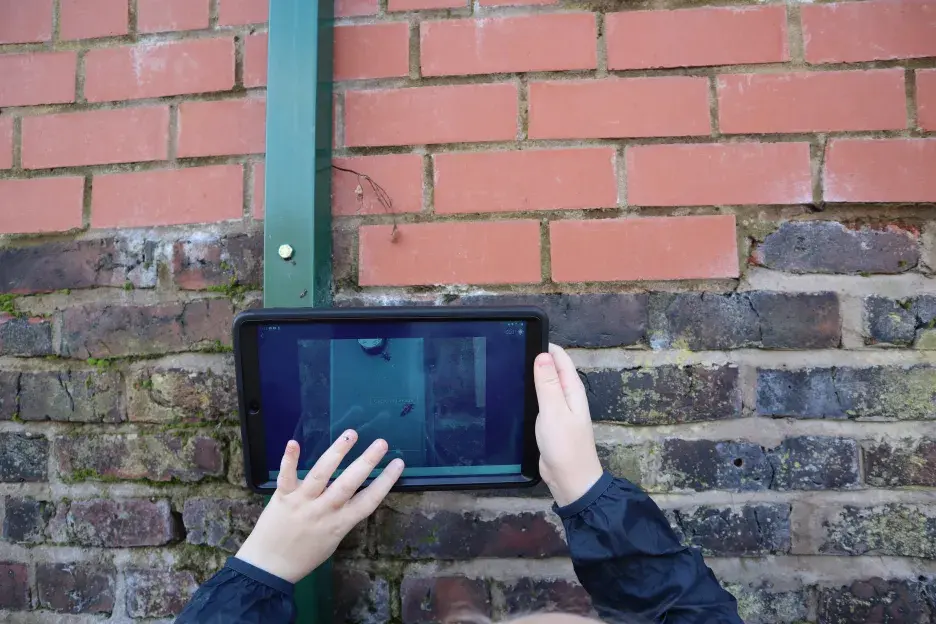
Keyham Barton Catholic Primary School in Plymouth — part of the Plymouth CAST multi-academy trust — had been working on their ambition to bring meaningful nature experiences into their concrete and tarmac school yard. A Nature Park grant awarded from the Department for Education helped them bring their hopes to life!
Transforming a concrete landscape
Before the project began, the school’s outdoor space reflected its Victorian heritage: functional, hard-wearing, but lacking in natural features. Greenery was sparse, and opportunities for children to engage with nature on-site were extremely limited. "Outside the dinner hall was basically a forgotten space – it had turned into somewhere for rubbish and cat poo", explained Charlotte Clark, Project Lead and Year 4/5 teacher.
The playground felt like a concrete desert. There was hardly any real greenery at all.
Charlotte Clark, Project Lead and Year 4/5 teacher
With many pupils living in homes without access to gardens, staff recognised the importance of creating a space where children could regularly experience and care for nature.
Taking action for nature
Working with the Nature Park programme and alongside the Young Marketeers project led by School Food Matters, the school began to reimagine this small forgotten patch. Funding from the Department for Education’s Nature Park grant enabled them to create a greener space. "The Nature Park grant and the Young Marketeers project worked really well together", said Charlotte. "We added planters, climbing plants, pots and a veg patch outside the dinner hall".
Pupils played a central role in shaping these changes. The Student Council worked collaboratively to generate ideas and guide decisions, while a Year 4/5 class selected plants and designed labels and decorations for the space.
Empowering young people
The project quickly grew beyond the classroom. Pupils across year groups became involved, and school staff supported the breakfast and after-school club groups to take on responsibility for maintaining the space.
Even breakfast and after-school club got involved – they love being on ‘water patrol’. There’s a real sense of responsibility now – the children take pride in it.
Charlotte Clark, teacher
The project also created valuable opportunities for cross-curricular learning, particularly within Science and Geography, helping children connect classroom learning to real-world experiences.
Overcoming challenges
Like many schools working with limited outdoor space, the team encountered practical challenges along the way. "The area outside the dinner hall was tricky because the soil sits on top of concrete – we had to use ‘no dig’ methods," Charlotte explained.
The experience highlighted the value of collaboration and expertise. A gardener from School Food Matters helped the school build gardening time into the weekly timetable and provided valuable support to the teachers. The school had support from local industrial employer Kier BAM as part of a corporate volunteering initiative.
They came to school to help build our Nature Park funded planters and shed. Schemes like this really make the difference, I recommend looking out for them.
Charlotte Clark, teacher
The impact of the Nature Park
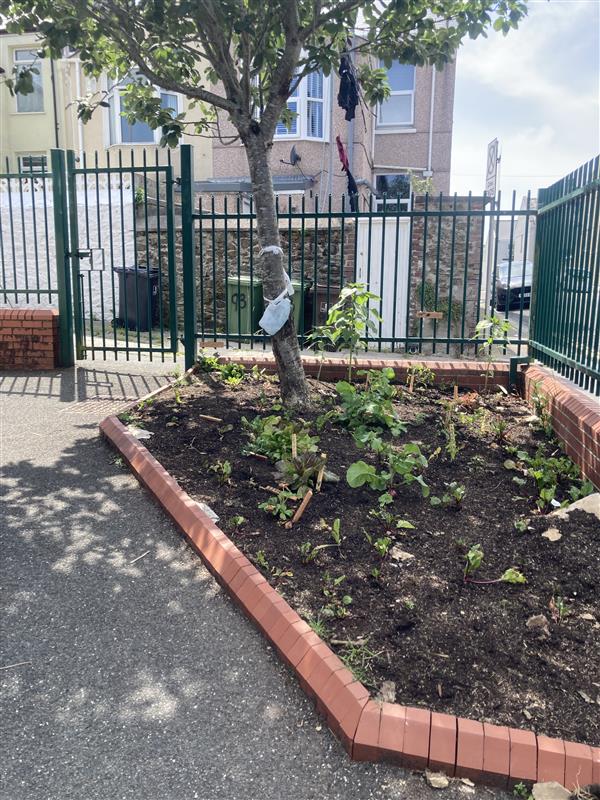
The changes have had a profound impact on the school community, reshaping not only the physical environment but also the atmosphere and behaviour within it. "It’s had a massive impact on wellbeing – it’s a completely different atmosphere,” said Charlotte. What was a concrete space now feels pleasant and welcoming.
Staff have observed noticeable changes in how children interact with the space and each other. They have noticed that playtimes are much calmer and behaviour has improved. The space is now enjoyed by the whole school community, from pupils to staff and families.
Moments of joy and discovery have become part of daily school life.
The younger children absolutely love it… although they did pick all the strawberries!
Charlotte Clark, teacher
Looking ahead
The school hopes to continue building on this momentum, embedding nature further into school life and ensuring the space continues to thrive.
There are also aspirations to expand pupil involvement even further and plan to start an eco-club.
Keyham Barton’s top tips for other schools
- Get a gardener or any green fingered support involved early, if you can.
- Empower pupils to lead decision-making and take ownership
- Use simple, adaptable approaches like ‘no dig’ gardening – these are often less work and can benefit the environment too!
- Involve the whole school community – every role makes a difference
- Look for support from local community support schemes