Neurodiversity and nature: Insights from the Nature Park team
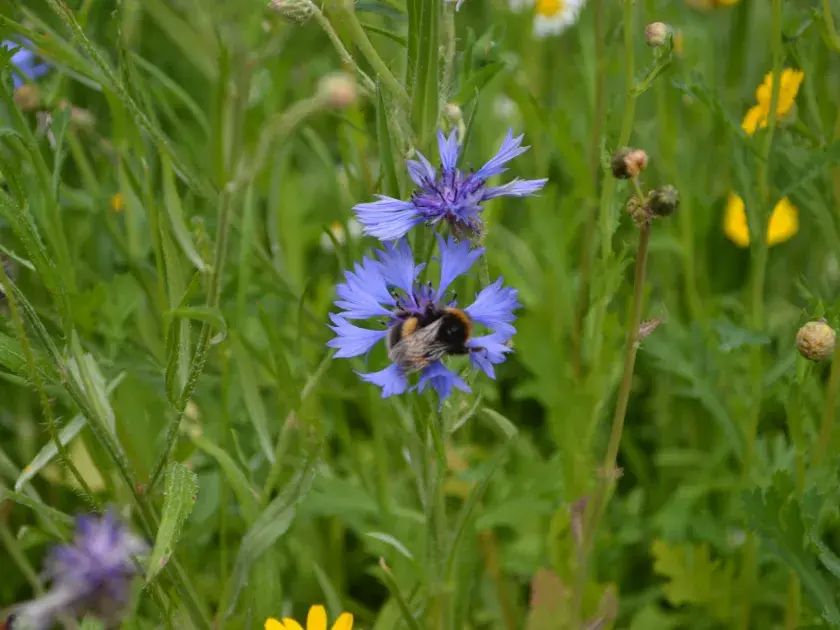
Every person experiences and explores nature differently. During Neurodiversity Celebration Week (16 - 20 March 2026), we're excited to celebrate the diverse minds on our team and the ways they engage with the natural world!
In this blog, hear from our staff about neurodiversity and nature, including their personal journeys, unique ways of connecting with the world, and why accessibility and inclusion matter in outdoor space.
Jen Horseman, Senior Programme Officer – Yorkshire and the Humber
I’m Jen and I’m one of the regional team members supporting engagement with the Nature Park programme across the country. I’m also autistic, and the Co-Chair of the RHS neurodiversity network Kaleidoscope Thoughts.
Nature can be profoundly important to neurodivergent people, being in equal parts a sensory playground, a space for exploration and fascination, and a non-judgmental companion in a world that can be overwhelming or sometimes unkind. I have spent some of my happiest moments exploring forests carpeted with thick moss, running my fingers across the bark of trees and smelling the damp earth underfoot.
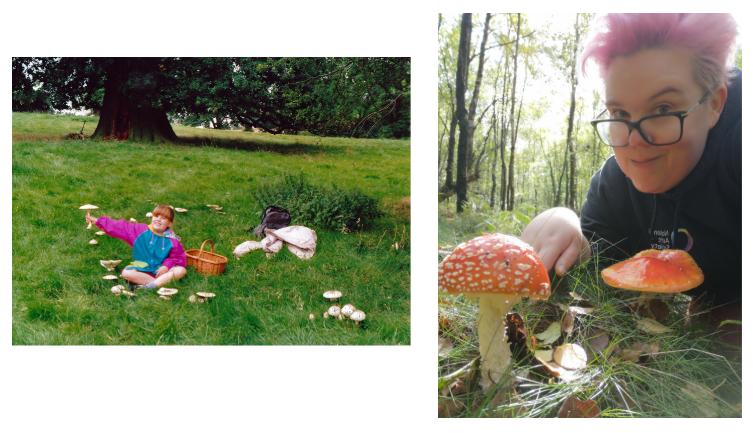
Neurodiversity is often inherited, and I think the same could be said for my interest in the natural world. My late father had a profound interest in mushrooms, identifying, foraging and recording them in one of his many (many!) books, which I grew to share. Likewise, I am a big categoriser, and sometimes collector of things – many autistic people share this trait! I collected sticks, rocks and fossils when I was younger, and these days I keep a greenhouse filled with over 1000 cacti and succulents... All slightly different, and fascinating in that. Such is the natural world with its wonderful diversity!
I am also hyperlexic, processing my thoughts and emotions through words, and the lexicon of biology, and botany specifically, are things I have a focused interest on. It’s another collection really, but of knowledge. I am still like a 7-year-old obsessed with naming every prehistoric creature, only the subjects of my affection are still living (these days – I did work in museums)!
Tegan McLean, Administrator for the National Education Nature Park
Hi, I’m Tegan. I work as an administrator on the Nature Park and I was diagnosed with autism as an adult. My neurodiversity has given me a love of learning and an excitement about the world, especially for the many amazing species we share this planet with. I feel injustices intensely, so I try to care for nature as much as I can.
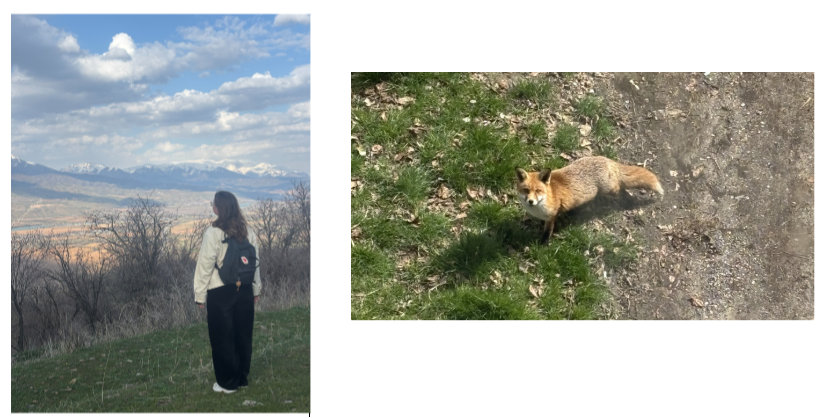
In school, my passion was plants and fungi. Now, I’m interested in human relationships with animals, like foxes and robins, and landscape features, like mountains and glaciers. Last year, I formed a friendship with a fox family living behind my house who had nine kits. We supported them with food and medication whenever they needed it. I found it beautiful to be a part of their lives, especially as foxes are sometimes considered a pest.
Neurodiverse people often have different sensory likes and dislikes, with heightened awareness of their environments. I enjoy touching different surfaces in nature, like bark or leaves (especially the Lamb’s Ear plant), and feeling breeze or rain on my skin. I often notice I pick up on small things, like insects rustling in leaves or birds high up in trees, quite quickly. If you’d like to see what this is like, I’d recommend the beginning of Chris Packham’s documentary ‘Inside Our Autistic Minds’ (which shows why people with autism make great ecologists!).
Jen Davies, Programme Officer – Yorkshire and the Humber
Over the course of my career, I’ve had the absolute pleasure of working with a lot of children with a variety of SEND and SEMH needs. All of the children that I’ve worked with have been completely different from one another, with different needs, facing different challenges, with different likes and dislikes, but the one thing that connected us all was the joy that being outside in nature brought us.
Children inspire me every day, they have imaginations like no adult I’ve ever met and when they have the space and time to explore and learn outside the quality of these experiences are second to none. Teaching outdoors permits us to meet the expectations of the curriculum, but it also provides new opportunities for young people and staff alike, allowing us to learn together. Being outdoors meant that things which were once a struggle in the classroom became a distant memory, interests that I didn’t even know the children had became completely obvious, feelings of overwhelm, frustration, sadness began to settle, learning became simpler and the class was happier.
One memory that will forever sit fondly with me was when a young person with autism joined me in the woodland one day, they had situational mutism and had never spoken a word at school (even after being there for two years!), I asked if they would help me feed the birds which resulted in a verbal ‘yes’, followed by one of many conversations all about birds and wildlife, after more sessions outdoors they began to speak when back at school in class. This is just one example of so many experiences I’ve had when supporting young people outdoors, it really has been life changing for so many, including me!
Victoria Burton, Nature Park researcher, Community Science team
I’m a biodiversity researcher at the Natural History Museum, which means I study the incredible variety of life on Earth and how living things interact with their environments - and with us. In many ways, this career feels like a natural extension of who I’ve always been.
Growing up, I was endlessly curious about science and nature. I loved collecting things, making nature journals, and even set up a tiny “museum” in my bedroom. I used to write to the Museum and to local universities asking for help identifying specimens I’d found or for advice on my latest research projects. I still have the letters I received back from scientists!
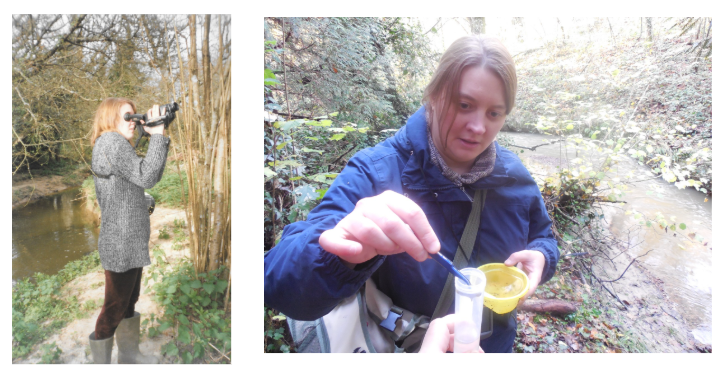
As a child and young adult, I often felt “different” from the people around me. I struggled to fit in at school and was frequently told things like “you don’t play properly” or “you’re like a grown‑up.” But when I was outdoors, it was a space where I could explore freely, follow my interests, and just be myself.
When I was 30, I was diagnosed as autistic, and suddenly so much of my life made sense. Instead of criticising myself for being sensitive to noise, strong smells, or bright lights, I learned strategies to manage them. Instead of feeling ashamed when social interactions felt difficult, I began celebrating small wins.
I also started valuing the autistic traits that support my work as a scientist - my attention to detail, my ability to focus deeply for long periods, and my passion for observing the natural world. These strengths help me identify species, check scientific data, and write computer code, all of which are central parts of my research.


Tailoring the Nature Park for SEND learners
This academic year, we are focusing our work on ensuring the Nature Park can be accessed and engaged with by SEND educators and their learners.
Through interviews with educators, co-creation and testing, and collaboration with both internal and external partners, we're improving the standard of our activities, guidance and materials, such as considering the language and structure of our resources, and providing various formats and visual communication aids for learners.
We're excited to be embedding inclusivity into the Nature Park to support more children and young people to explore, learn and gain comfort and confidence in nature.

Accessibility at the Nature Park
We're committed to making the Nature Park accessible to everyone. We've been working through meaningful improvements to ensure our platform reaches as many young people as possible, including:
- comprehensively checked our website to improve text formatting and readability
- improving the coding behind the resource library and main navigation for screen readers
- carrying out a SEND audit of resources and working through language, style and adaptations recommended to help activities reach as many young people as possible
- developing a video transcript function on videos to make this content more accessible
- undertaking a specialist audit of website pages so SEND people can offer us areas of improvement based on their lived experiences