Image

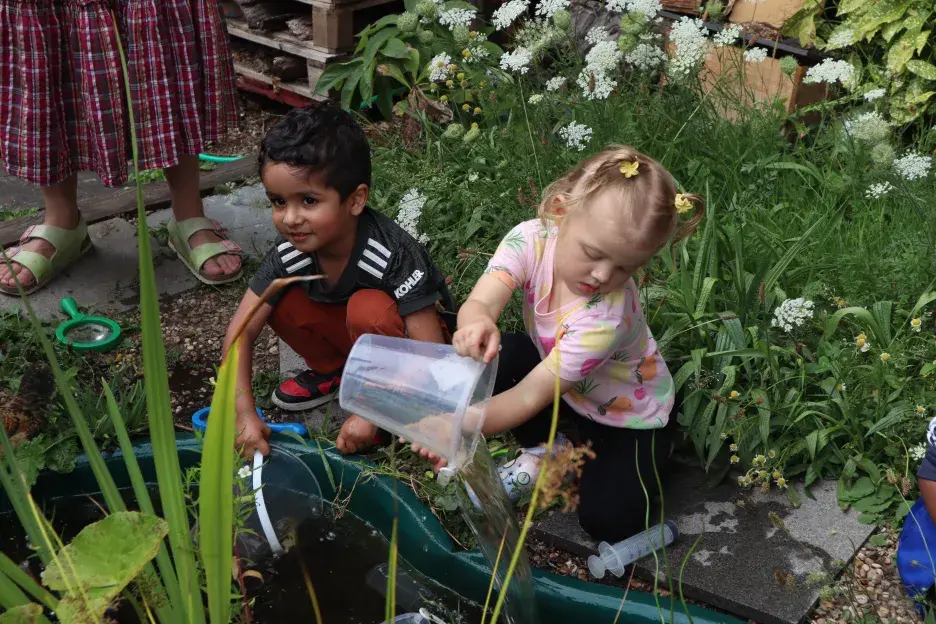
Taking part in the Nature Park as an EYFS setting supports the youngest learners to connect to nature and explore green changes to their environment, as well as supporting growth across all seven areas of learning and development.
Nature connection in early childhood is crucial for developing a lifelong relationship with the natural world. Supporting learners to build a positive connection with nature in the Early Years can motivate and empower them to protect and value its importance now and in the future.
This page will outline the benefits of the Nature Park programme for EYFS and what taking part will look like for your setting and learners, as well as giving you some handy resources to help you get started.




Taking part in the Nature Park programme with Early Years learners will focus on building foundational green skills and connection to nature while enabling children to learn and develop in the seven areas of learning outlined in the EYFS statutory framework. Activities and outcomes will look different to older learners taking part in the Nature Park, but these experiences will set children up with the understanding, curiosity and core skills for continuing their Nature Park journey, learning and development as they progress to KS1 and above. The Nature Park process is cyclical, meaning you can continue learning about your space and improving it for nature year on year with new learners.
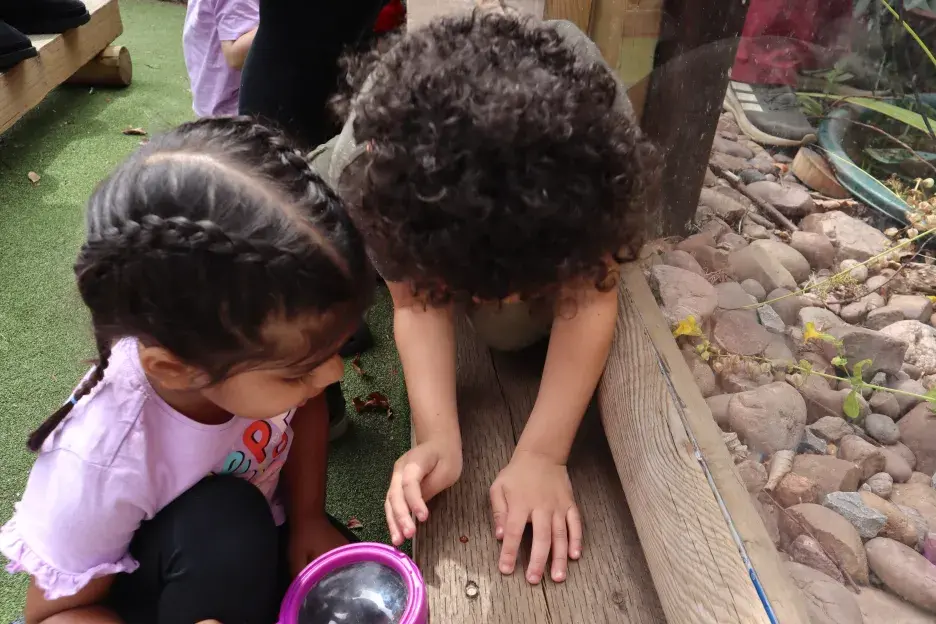
Note: staff are encouraged to map the habitats on your site to help visualise a starting point for the changes you’d like to see
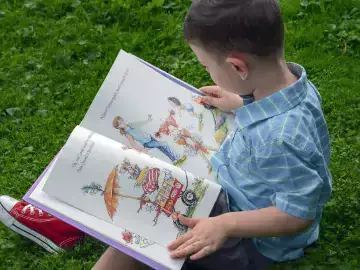
The resources below will help you to get started planning your Nature Park journey and how you might take part with learners. The EYFS Getting Started guide sets out recommended activities for each of the five Nature Park steps, and their links to the relevant areas of learning and development. Our EYFS book list highlights suitable storybooks recommended by BookTrust to facilitate nature storytelling and discussion.
Nature Park resources for Early Years are designed around the seven key areas of learning and development defined by the EYFS statutory framework. Exciting continuous provision stations have been designed for each, which can be found by visiting the designated overview page for each area (below) – enabling open-ended, independently accessible enquiry-based learning, while also contributing to your Nature Park journey.
Each page also recommends a range of adult-led activities which support the expected level of development along with Nature Park aims. More activities developed for EYFS can be found by browsing and filtering in the resources library. Our guidance and toolkit for risk-benefit assessments can also help EYFS practitioners balance safety with challenge and discovery throughout their Nature Park journey.