
Five ways to look after your site over the summer holidays
As the end of term approaches, it's time to think about how you'll keep your habitats healthy over the summer. We've put together some top tips to help you keep them thriving! Plus, check out our video below where Fiona Greenwold, Senior Regional Officer North East, chats through some hints and tips.

1. Put a watering system in place for green walls, vegetable gardens and plant pots
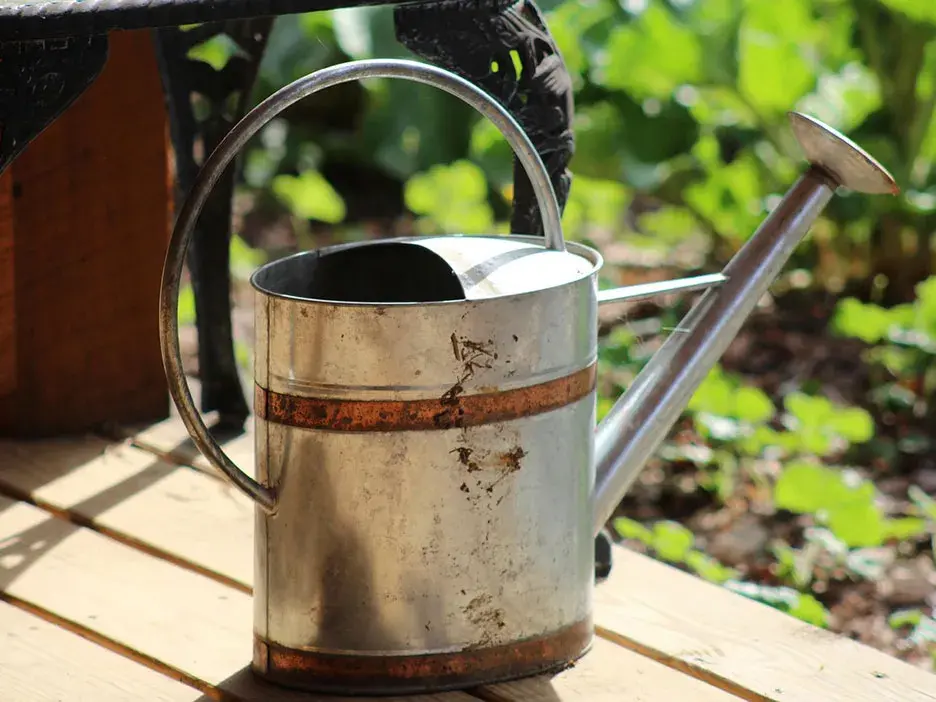
Do you have plant pots, flower beds, vegetable garden or green walls on your site? See this summer holiday watering toolkit from the Royal Horticultural Society for six simple methods to water your plants over the holidays. They include:
- simple self-watering solutions, such as wicking with shoelaces! Place the plant pot higher than the water container and add cotton shoelaces or cords, from the pot’s soil down to the water – it’s like giving the plant a straw to drink from at its own pace.
- ask a community space to foster your plants
- mulch your outdoor plants
- ask staff or pupils to take them home
- ask site staff to look after your plants – set up a staff rota and calendar reminders for watering
- place your potted plants outside if other solutions aren't suitable
2. Leave grass and wildflowers to grow
Have you sown any wildflowers or planted out any plants in the soil? Make sure to ask whoever looks after your grounds such as an estate team not to mow over the plants you have planted out. Put down some markers, like pegs and strings to mark out the area, and display a Nature Park plaque to let the rest of your school, nursery or college community know it is a special area for wildlife.
You can leave grass to grow long over the summer – it will be a thriving habitat and refuge for so much wildlife, as well as keeping the ground cool during the hot months. Plan to cut it at the end of the summer, from late August to October – the grass just needs to be mown once and the cuttings removed. Removing the cuttings is key to lowering the fertility of the soil and increasing the biodiversity of the grassland.
Find out to create a flower-rich grassland
3. Don't worry if ponds dry up
It may not look as nice, but it’s fine for a pond to dry up in summer. Pond life has evolved to cope with varying water levels, and about half of all freshwater plants and animals are tolerant of drought. Some invertebrates such as certain water beetle species actually thrive in shallow water rather than deep water!
Falling water levels can create one of the most biologically rich areas of the pond. There's usually no need to top your pond up as there'll almost certainly be some moisture still at the bottom, although container ponds probably will need top ups in dry weather. If you must top up a pond, always use rainwater – tap water isn't suitable because the nutrients will increase the growth of algae and duckweed and choke the pond life, and the chlorine in tap water also kills beneficial microorganisms.
4. Keep trees and hedges moist
Newly planted trees and hedges should be on a watering system, such as a watering rota that site staff look after or others mentioned above. To reduce the need for frequent watering, adding some mulch (such as wood chippings or bark) around the trunk can really help with keeping moisture in the soil.
Established trees and hedges can be left to grow out during the summer and produce wonderful fruits and berries for birds in the autumn. Plan to trim hedges back from October onwards.
5. Look after your tools!
Lastly, just before you leave for the holidays, take your gardening tools and give them a good wash. Wipe them down so they don’t get rusty and put them all away neatly ready to use again in the autumn!