Fundraising to create spaces for nature at Central Park Primary School
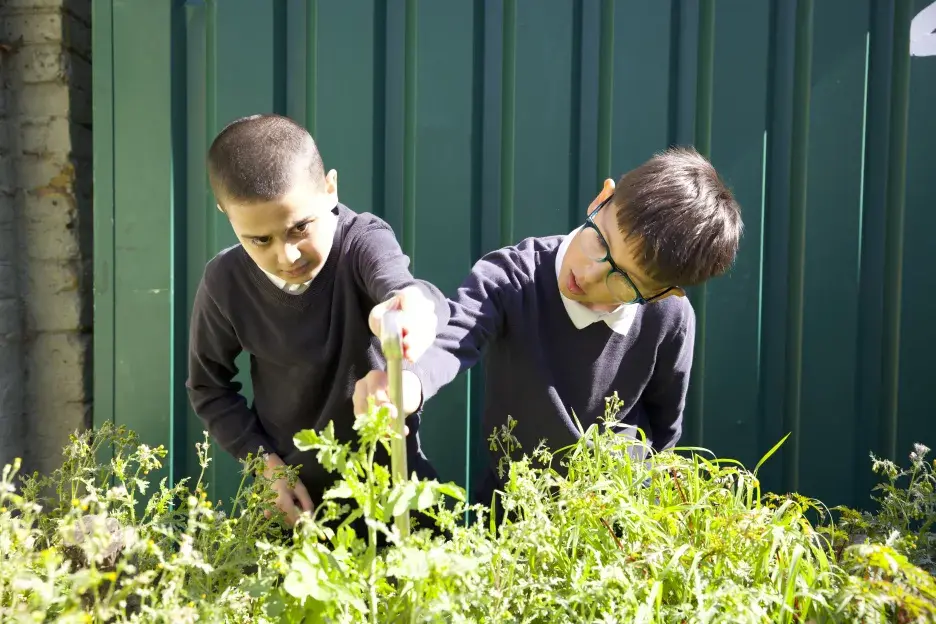
At Central Park Primary School in Newham, students are fundraising and spreading the word about the National Education Nature Park to create spaces for nature on their site.
Central Park first got involved with the National Education Nature Park through the recommendation of a Climate Action Advisor from Let’s Go Zero. Shannon Griffin, Year 5 teacher and Sustainability Lead at Central Park, worked with Let’s Go Zero to produce a Climate Action Plan full of recommendations and next steps to support staff, pupils and the whole school community on their sustainability journey. As soon as she heard about the Nature Park, Shannon reached out to the London regional team to see how her pupils could get involved.
They got stuck in with the Hidden Nature Challenge, exploring their school site to find hidden nature – plants in unexpected places, repeated patterns or tiny signs of the natural world in spots on the playground that might have been unnoticed for years.
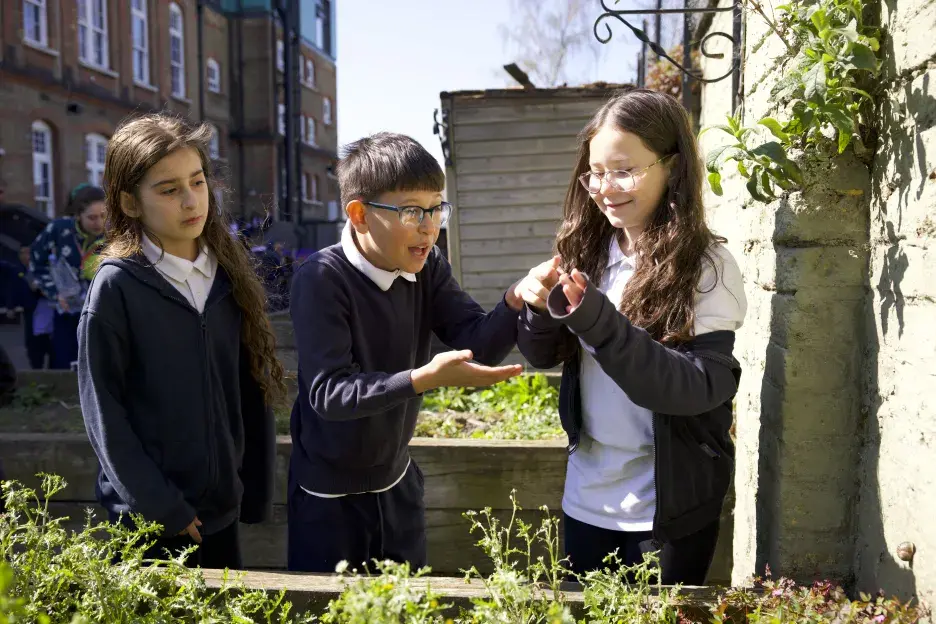
The next step on their Nature Park journey was mapping their site. Pupils followed our flowcharts and activity sheets to map the different habitats on their grounds, from a small area of grass in the playground to food growing spaces and concrete playground surfaces. This created their baseline map of their school site, giving them an understanding of what their space looks and feels like, what spaces they have for nature and how they use the site each day.
These habitats were all added to the Nature Park digital map on the Nature Park homepage, connecting the school with other sites and learners up and down the country who are taking action for nature and contributing to real scientific research.
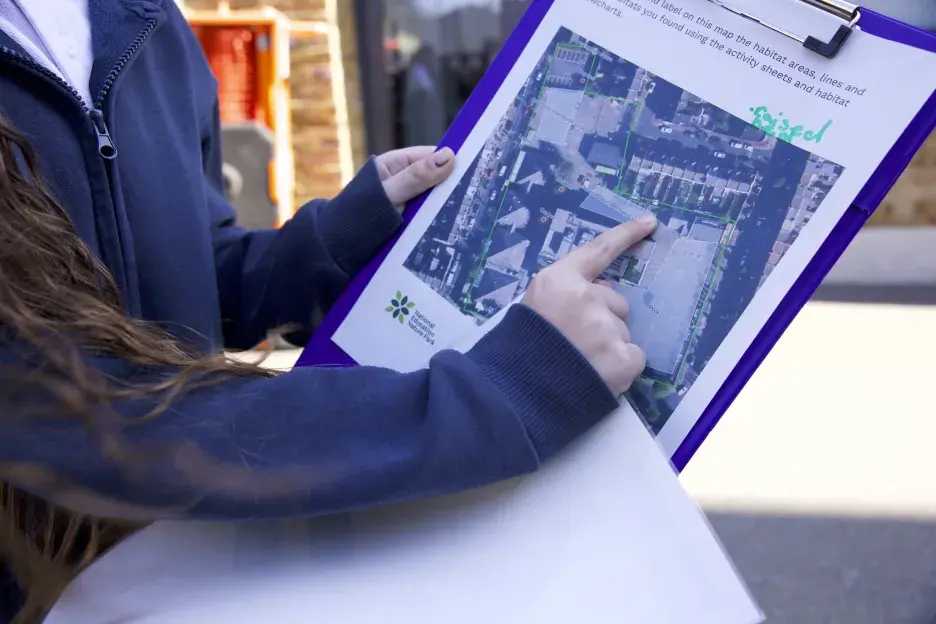
Now with a good understanding of their starting point, pupils spent time considering what actions they could take to create homes for nature at Central Park. They used the Ideas for improvement activity, with pupils choosing intervention ideas and presenting them to their classmates.
Staff and pupils identified tree planting as a priority, and with support from Street Trees for Living they planted a number of trees across the playground which will provide shelter, shade and homes for wildlife.
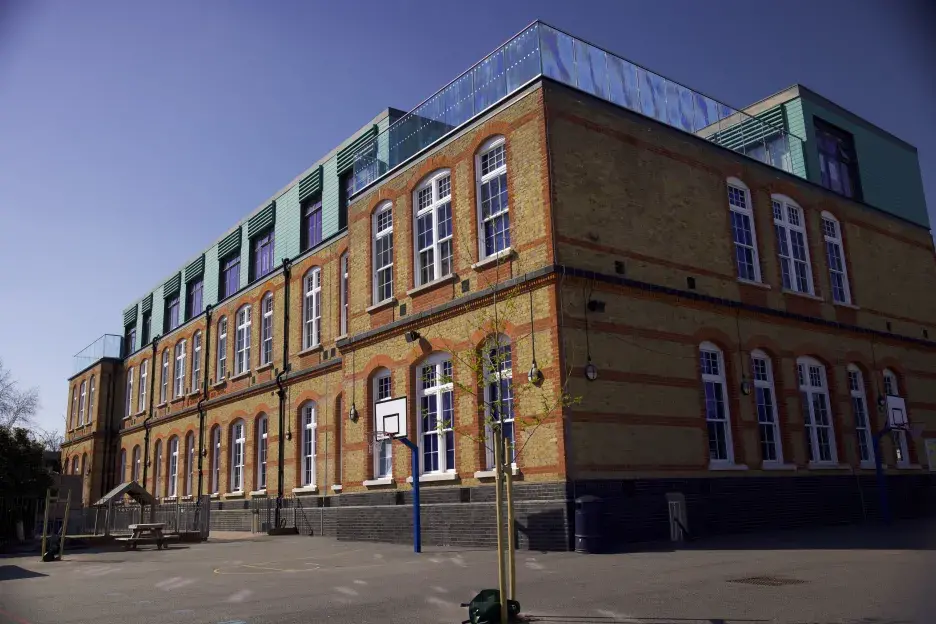
But the pupils didn’t want to stop there! Inspired by their findings from the habitat mapping activities, two pupils have started a fundraising campaign to raise money for nature solutions on their site. They are selling sweet and savoury treats to the school community in exchange for donations which can help make homes for nature at Central Park. They plan to transform their roof terrace area into an urban rooftop garden!
We can't wait to see how their Nature Park journey develops!
Their amazing work is featured on our website as part of a video encouraging other settings to map the habitats on their site – watch it here and below.