Image
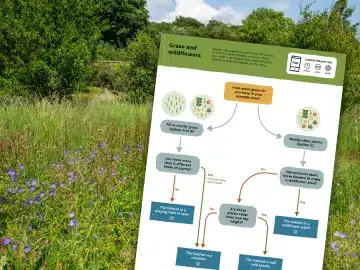
This presentation guides classes through classifying different habitats in the UK by looking closely at the plants that live there. After classifying different types of woodland, grassland, and wetland, learners are encouraged to think about the animals that might live there.
Key learning points are the definition of a habitat, describing some ways that habitats are different from one another, and understanding why certain animals are found in some habitats and not others.
Review different categories of plants. Learners will benefit from remembering the difference between deciduous and evergreen trees, and being able to recognise grass and a few common wildflowers.
Indoors
Plants
Living things and their habitats
Plants
Living things and their habitats