
Science update: July 2025
The Nature Park science team share their last update of the 2024-25 academic year.
We hope you've been enjoying the sunshine! We're absolutely thrilled to see that so many of settings have been getting outside and creating habitat maps — over 1,000 schools, nurseries and colleges have now started mapping their sites! Read more here about how this essential first step helps you to track your progress and is part of global biodiversity research.
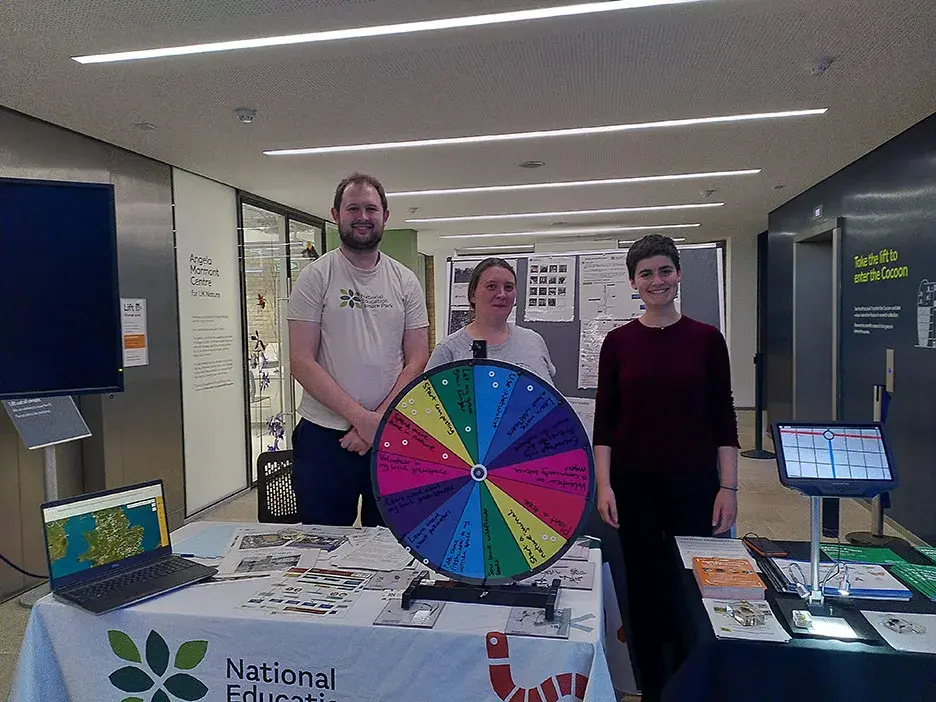
We've have been out and about as a science team, visiting schools to support with habitat mapping and biodiversity surveys such as the Pollinator Count, and taking part in events such as the Big Bang Fair in Birmingham and the Climate Action Night at the Natural History Museum.
This term's science spotlight
You’ve now mapped a total of 11 kilometres squared of habitats, 427 km of habitat lines and an astonishing 11,608 microhabitats including 6,657 trees, 1,923 pots of plants and 513 insect hotels. Researcher Victoria will be analysing this habitat data over the summer to estimate the existing biodiversity in school grounds.
If you want your nursery, school or college to be part of this ground breaking scientific research, get started with mapping your site below!
Get inspired by reading about how three schools have been doing habitat mapping on their sites.

Tell us what pollinators are on your site!
Now is a great time to take advantage of seasonal variety of flowers and insects and take part in our Pollinator Count in your grounds. It’s a great way of seeing how well your site is providing for this important group and we now have two versions for different key stages, so that it can be done by both Key Stages 2-3 and Key Stages 4-5.
All you need is flowers. The Pollinator Count involves choosing a flowering plant, watching the flowers for a few minutes and counting all of the insects that land on the flowers during that time. We created the Nature Park’s Pollinator Count by adapting the survey run by the UK Pollinator Monitoring Scheme, so you can be assured that in filling out the simple survey form, the data you collect is robust and you are taking part in real scientific research on pollinators.
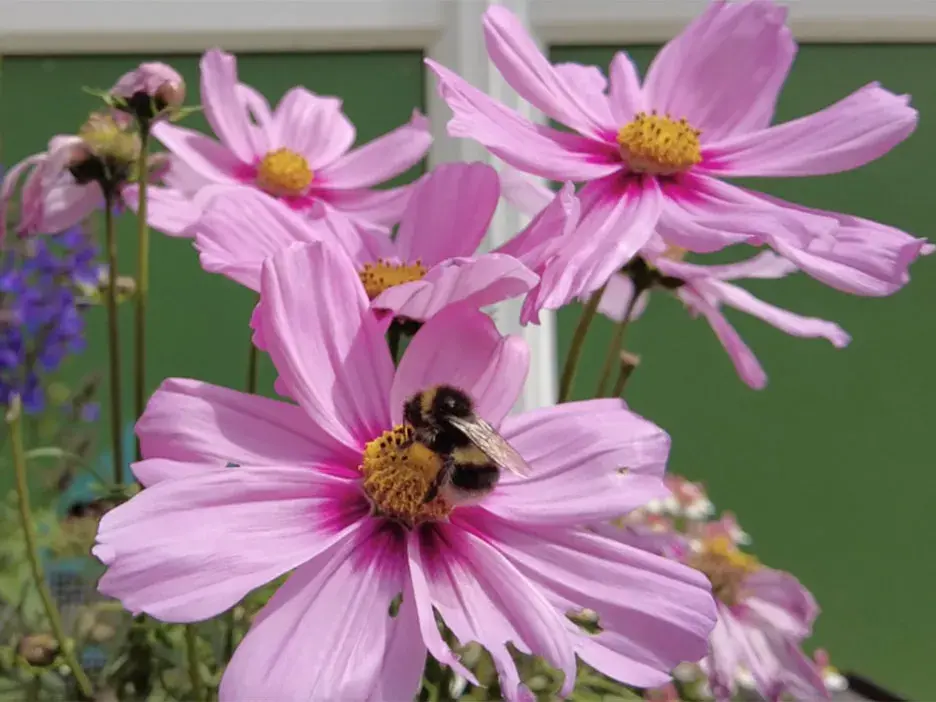
It is best to run the Pollinator Count a couple of times across your site, either in different habitats, or before and after nature improvement to your site. For example, after adding flowerpots to their school entrance, young people at Milton Hall Primary School and Nursery snapped this wonderful shot of a bumblebee!
As one Year 7 learner from Trinity Church of England Secondary School told us while doing the Pollinator Count, “It’s the best day of school ever!”
End of term tips
The end of term is a great time to celebrate your achievements and think ahead to next year.
What to do with the Nature Park this summer
It's important to keep your habitats thriving over the summer holidays! Check out our top tips to keep habitats healthy while you are away.