
We’re writing the first-ever Nature Park research paper!
It’s a huge moment of celebration in the Nature Park, as we are writing the first-ever research paper based on all of the data you’ve been collecting from your school, nursery and college sites.
We’ve reached a big milestone of over 2,000 habitat maps now underway, with more than 500 of these being complete – an incredible achievement for all of the schools, nurseries and colleges involved. As a reminder, one of the first steps in the Nature Park programme is to create a map of the habitats you have on your site – to create a baseline so you can make decisions about changes you’d like to make and track these over time. These maps also gather a vast amount of new knowledge about habitats on education settings across the country, something that until now has been a bit of a mystery!
So, we’ve got lots of new data, but what happens next?
In the Nature Park Community Science team, we're analysing these maps and writing an academic paper to share these findings with the global research community:
- We start by identifying the habitats most commonly found on school grounds from your habitat maps and then use findings from past research to estimate how much biodiversity those habitats are likely to hold.
- From this we can investigate all sorts of things, from whether there are differences between habitats and biodiversity levels at primary and secondary schools to how the size of a site might impact the types of habitats and biodiversity.
- Finally, the paper aims to identify which habitats contribute most strongly to biodiversity, highlighting opportunities for schools to support wildlife and contribute to nature recovery through the spaces you manage and use every day.
The Nature Park is a massive collaborative research programme, and publishing papers like this wouldn’t be possible without your efforts. Together, we make up a unique research team: us leading and coordinating the project, and all of you taking part in schools across the country. As key collaborators in this research we will be acknowledging all of the schools, nurseries and colleges that have completed their habitats maps by thanking them in the acknowledgements section of the publication and linking to an online list of all settings whose habitat data were included, so keep an eye out for your name in print!
A huge thank you to the best research team ever – you!
Every young person, teacher and staff member who has taken part in habitat mapping has made this research possible, and we are so proud to collaborate with you. Here’s to many more exciting research discoveries as the Nature Park programme grows.
Lucy Robinson, Community Science Lead at the Natural History Museum
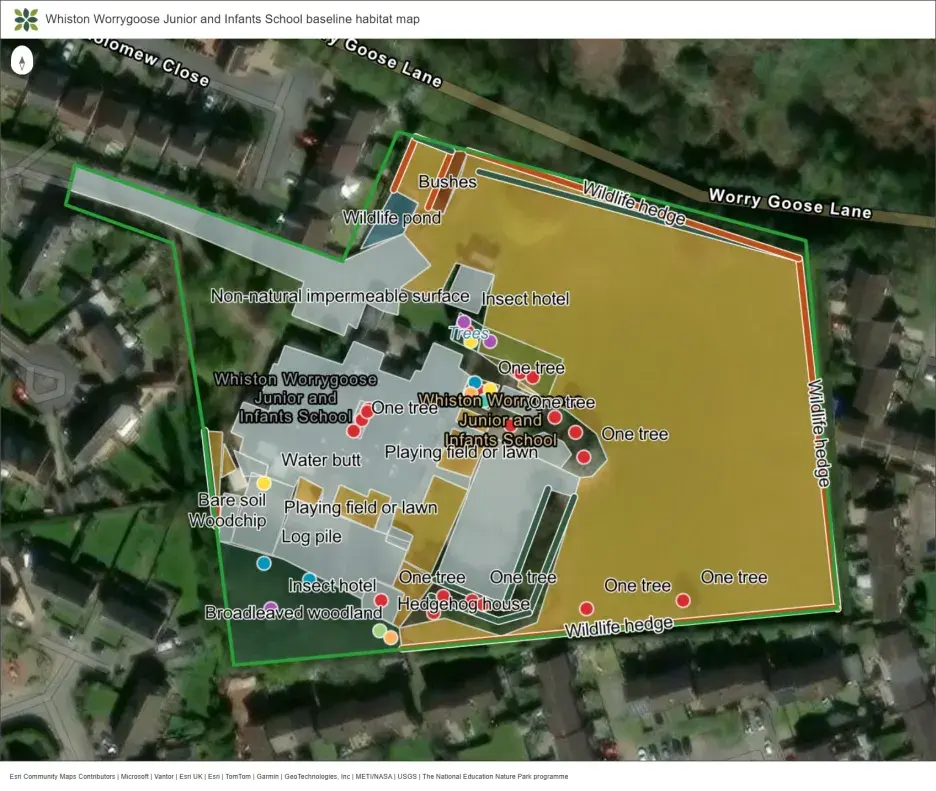
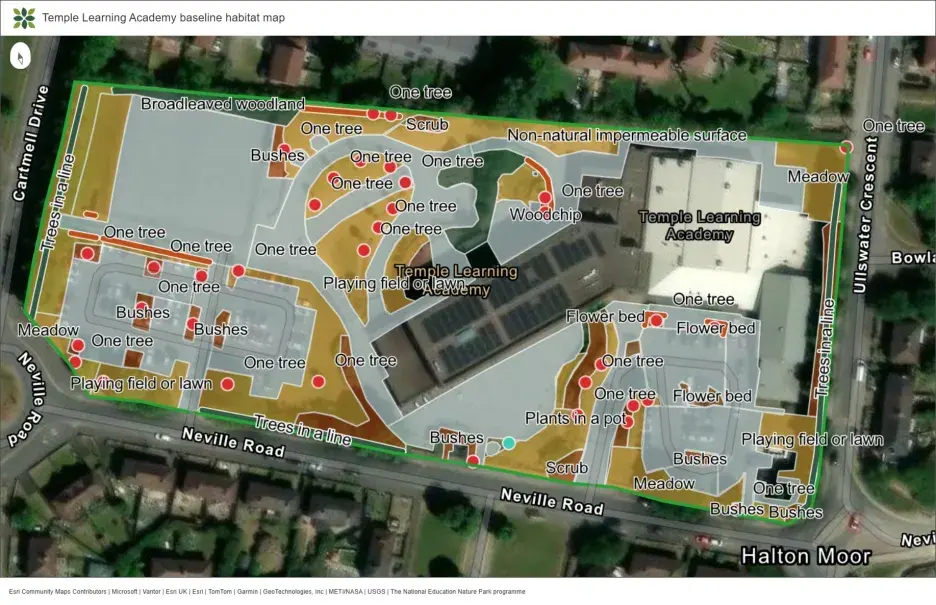
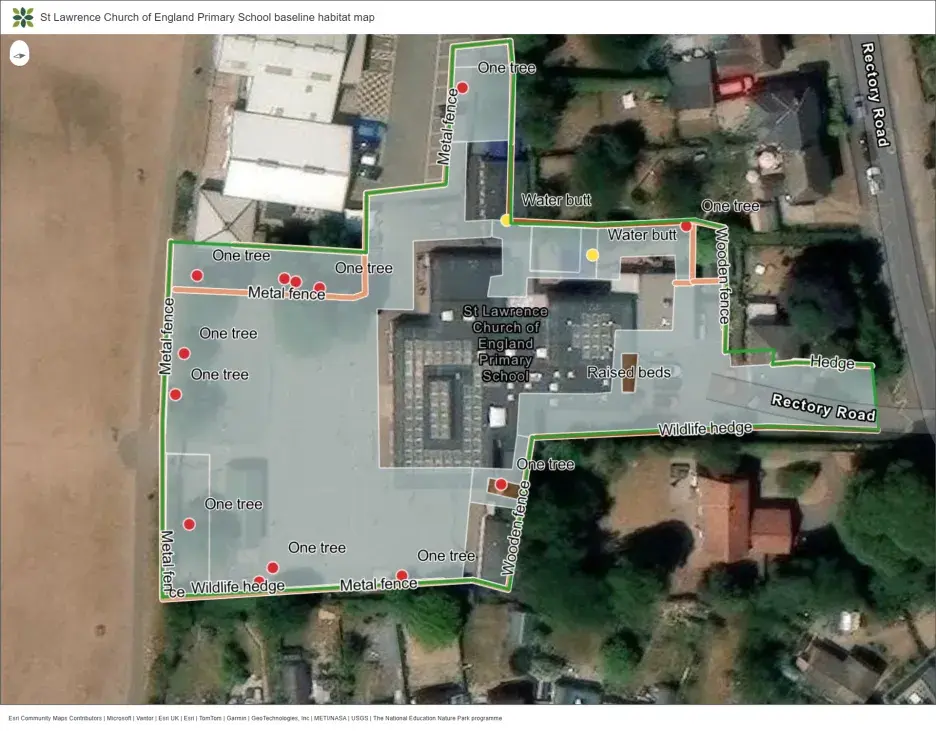
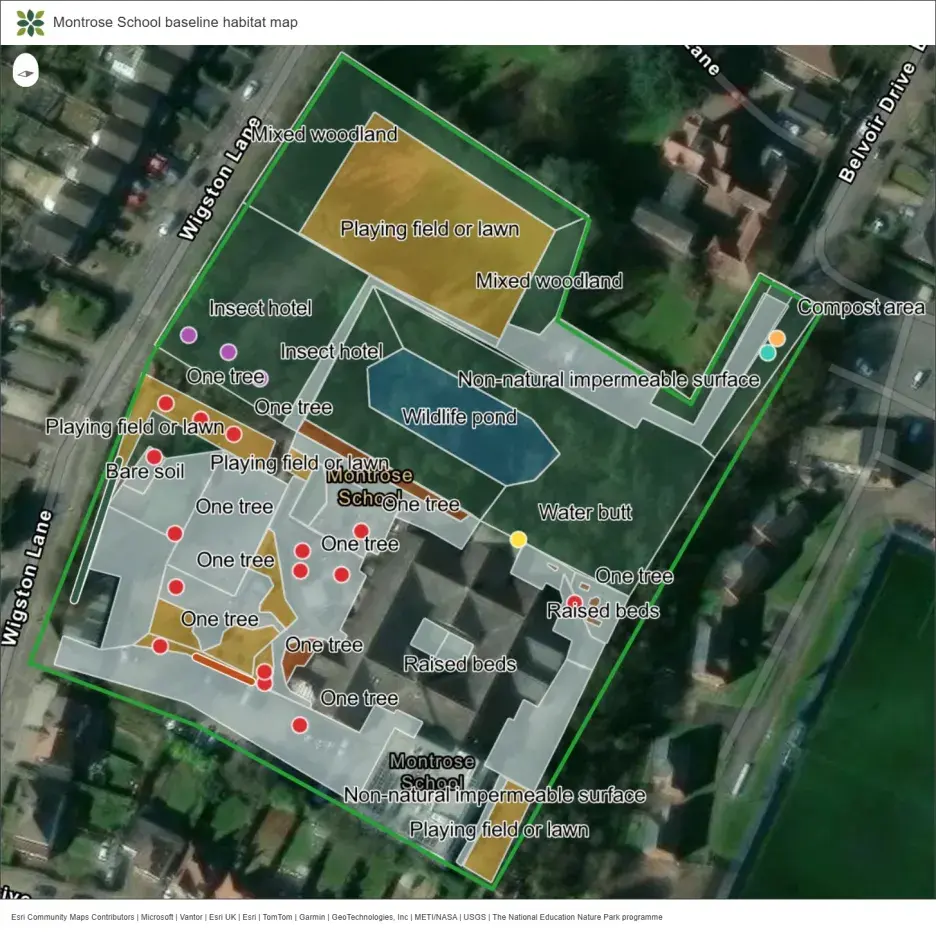
We're loving exploring all the different habitat maps you have created to set out your baseline starting point – see a couple of highlights below!
Completed your habitat map and ready for the next step?
- Take part in the Nature Park nature surveys to monitor wildlife on your site
- Make decisions about how to support nature on your site
- Track any changes you make using the Tracking Change tool, so you can see your positive impact over time