Our Nature Park journey: Herringthorpe Infant School
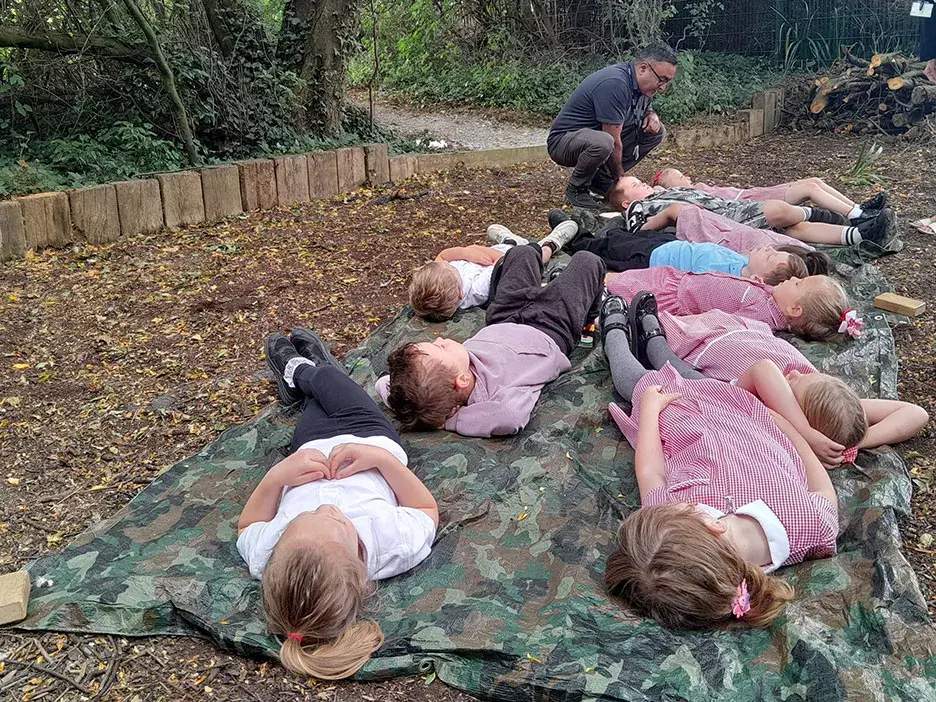
Herringthorpe Infant School is a school for ages 3-7 in Rotherham, South Yorkshire. The headteacher, Mrs Kitchen, and their Year 1 Teacher & Science & Computing Lead, Mrs Kershaw, have been leading the Nature Park programme in the school. They sat down with us to tell us all about their Nature Park journey so far.
Before taking part in the Nature Park, what were your school grounds like?
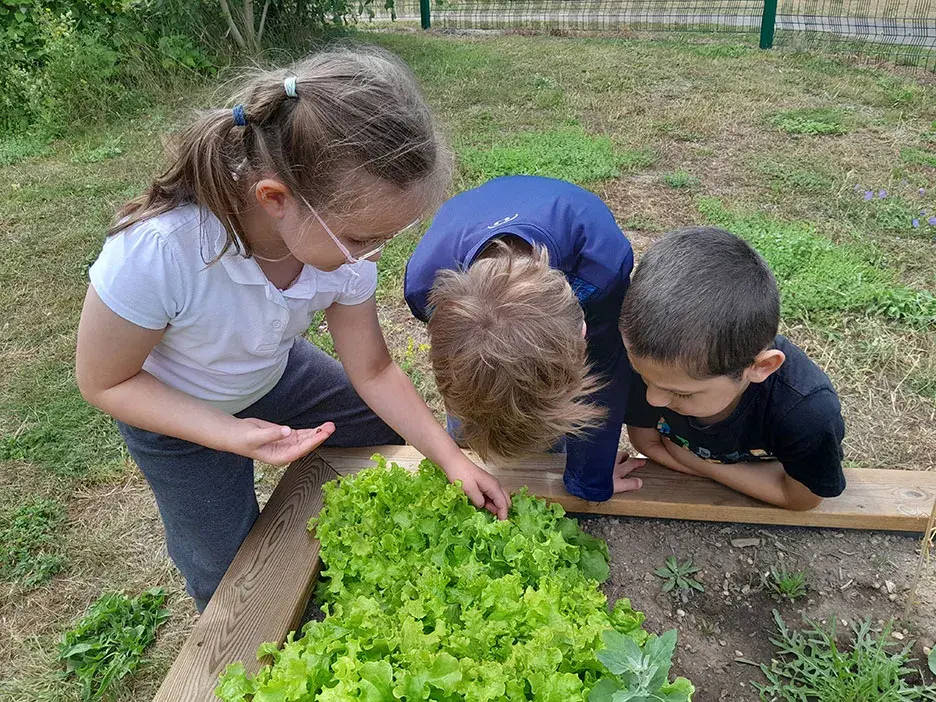
A large area of the grounds was covered by grey tarmac. There was a small area which had originally been set up for wildflowers but it ended up being bare dirt. This is now where we have our raised beds for vegetable growing. To the side of the school, we have a 'forest base' area with fruit and other trees, but it wasn’t safe for the children to access and didn’t get used. It wasn't particularly biodiverse, as the lawn was cut back short. We have since allowed it to grow and it’s become quite a biodiverse area with lots of pollinators, particularly butterflies.
What were your first steps in getting started with the Nature Park?
We set up a 'grey to green' team of children to work through the five-step process of the National Education Nature Park. We wanted the children to have a say over the grounds and the improvements we were making through our Nature Park grant.
To roll out the programme with our staff, we did a full staff training day and took them outside to start mapping our site. It really helped the staff with their knowledge and confidence around what we have on our grounds already and got them thinking about how we might use the space better.
I enjoyed the habitat mapping because previously I was not aware of the wide range of plant species that are present on the school grounds.
Staff member quote from Herringthorpe's project scrapbook
The Seek by iNaturalist app was also great for increasing staff confidence. When you’re a teacher you constantly get asked questions, and it can be quite daunting if you’re being asked to identify things you don’t know! Using the app makes it so much easier when you’re not an expert.
Our teachers are really good at spotting nature with us! I’ve always wanted to find a stag beetle.
Pupil at Herringthorpe
What improvements have you made to your spaces?
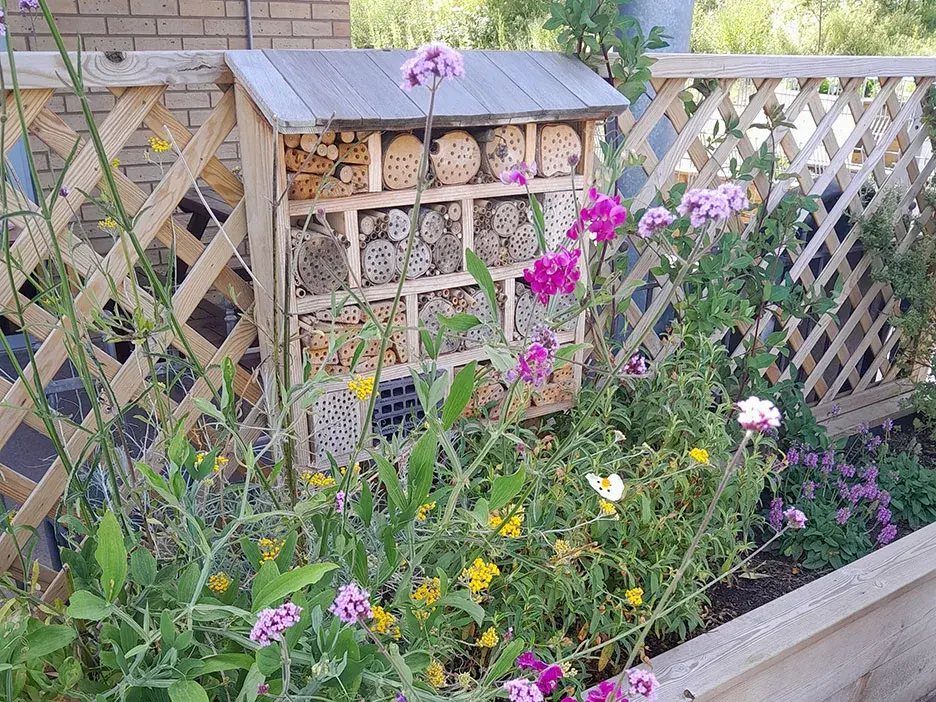
The 'grey to green team' helped us decide on planters and trellises filled with pollinator-friendly plants and bug hotels, making the school entrance a much greener and more appealing place for both nature and for people. We wanted them to be able to live and breathe it every day so having more habitats right by the entrance was important to us. The community have enjoyed seeing the changes!
We then improved the play area, adding plants to attract bees and butterflies. We’ve also fundraised to buy field and outdoors equipment like magnifying pots, bug sweep nets, rain gauges and field identification boards, plus tarpaulins and benches so we can make better use of the forest area.
After we finished our 'grey to green' projects, we set up a group of 12 children called 'Nature Champions' who work with us on our wider biodiversity plan. The group has a rotating membership to make sure as many children can be involved as possible.
People don't always see insects, so they might not want to look after insects. We are trying to show them insects and make them care.
Pupil at Herringthorpe
How do you use the Nature Park to enhance learning and within your curriculum?
Our Science Lead has taken on the integration with curriculum. Science in Year 1 and 2 is about plants and animals, so it’s been quite easy to make the links there! For our Foundation pupils, we link it up with 'Understanding the World'.
We haven’t only used the resources aimed at the younger key stages, we’ve also used other activities like the Pollinator Count (turning it into a pollinator spotting activity) and Seek by iNaturalist for identifying insects in their grounds, tweaking them to suit our learners.
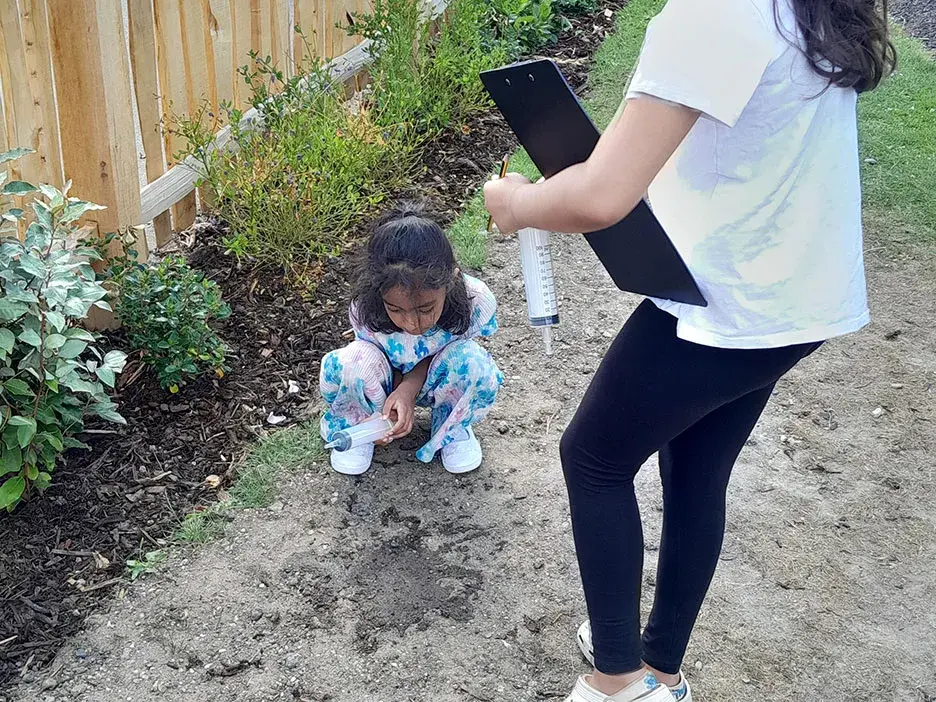
We’ve used Looking for leaf shapes for good, accurate observational drawings, and a tweaked version of the permeability test from the Ground without plants mapping activity to compare and contrast different surfaces on our site when thinking about the flooding we get on some of our tarmac.
What impact has the Nature Park programme had?
Growing plants makes me feel happy because it helps the environment.
Pupil at Herringthorpe
The programme has developed children's awareness of their impact in the wider world. It’s also had a massively positive impact on mental health. We have some learners with social, emotional and mental health needs, and being in nature really helps them to de-escalate and self-regulate. The children are also discovering more about real life opportunities, for example they’re learning about jobs in nature that they never realised existed!
We have a school acronym – ACHIEVE – on our website. We think the Nature Park programme links to every part of that acronym (Aspiration, Curiosity, Health, Independence, Excitement, Values). It encompasses everything we want for our learners – it’s not just performative, it’s genuine and purposeful.
It's really changed the way the children think about the outdoors. They now stop and think, "this is someone's home". They're very respectful toward nature.
Headteacher at Herringthorpe
How have you linked Nature Park to sustainability and the climate in your school?
After chatting with our regional Nature Park team, we’ve been looking at our wider sustainability and we’ve linked up with the Let’s Go Zero Climate Action Advisor team who are helping with our Climate Action Plan.
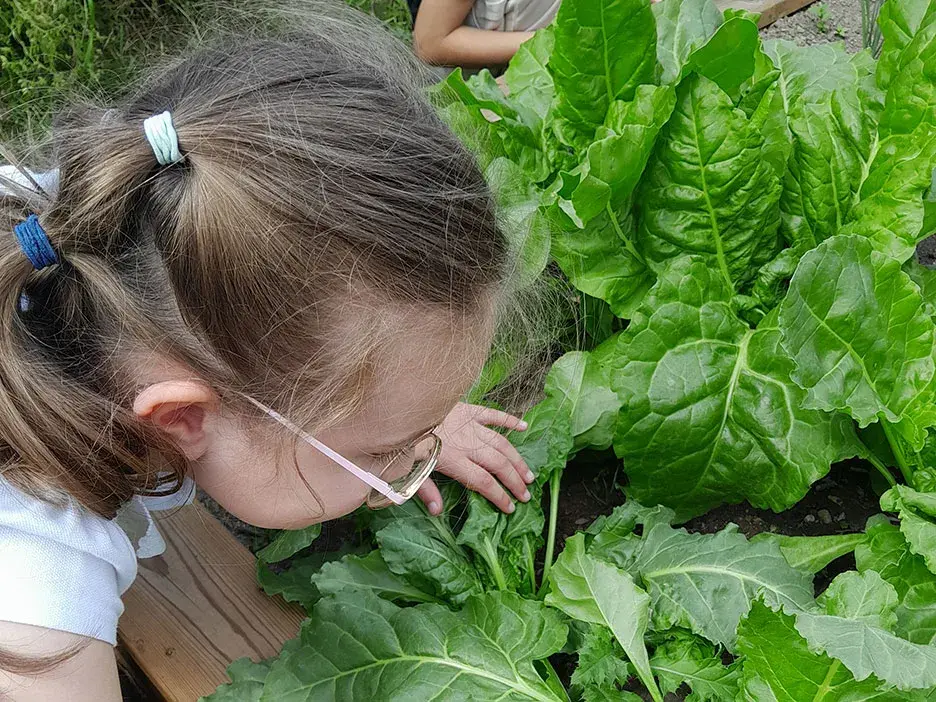
We’ve established an Eco Warriors group, with pupils in the group recently focussing on food, such as learning what parts of the plants they eat, growing food in their new raised bed area and learning about the benefits of growing your own vegetables. To start our vegetable garden, we bought plug plants from Rocket Gardens who also provide age-appropriate resources about growing food.
When they've grown, we could wash them and then make a shop, so that we don't have to go in the car to get food.
Pupil at Herringthorpe
What do you hope your Nature Park will be like in five years’ time?
Our next step will be to start monitoring the impact more closely and uploading all the things we’ve done and changes we’ve seen to the biodiversity on the Tracking change tool.
We want to further develop our community element moving forwards. If we've managed to establish this ethos in the short time we have these children, we’d really want them to carry it forward with them when they’re at home and when they move on to the Junior school.
Do you have any tips for schools getting involved with the Nature Park?
- Invest in early engagement with your full staff team to get them on board and get their confidence levels up.
- Make sure that you access the Nature Park webinars – that's what really made it all click for us, to understand the scope of this programme and what it can do for you and your learners.
- The five-step cycle is really helpful for sequencing what what you want to do.
- Seek help from your regional Nature Park team – it really helped us overcome a bit of a bump in the road where we weren't sure what to do next.
- Just go for it! Don't be scared of the process, it's been really valuable!
There are a lot more animals living here now and it's better for the ecosystem and climate change.
Pupil at Herringthorpe