Image
These printable identification resources support learners with identifying small animals they might find in school grounds. The Garden ID chart covers invertebrates found on land including spiders, insects, snails and other minibeasts. The Pond ID chart includes freshwater invertebrates as well as small fish and amphibians (frogs and newts).
If you are doing the Nature Park Pollinator Count, use the identification resources included on the Pollinator Count survey page. They are designed to help learners focus on and recognise pollinators specific to that community science survey.
Charts and booklet ©Trustees of the Natural History Museum. Licensed under CC BY-NC-SA 4.0.
Indoors and outdoors
Printing on heavier, waterproof materials for more durable resources that are also less likely to be blown away by wind.
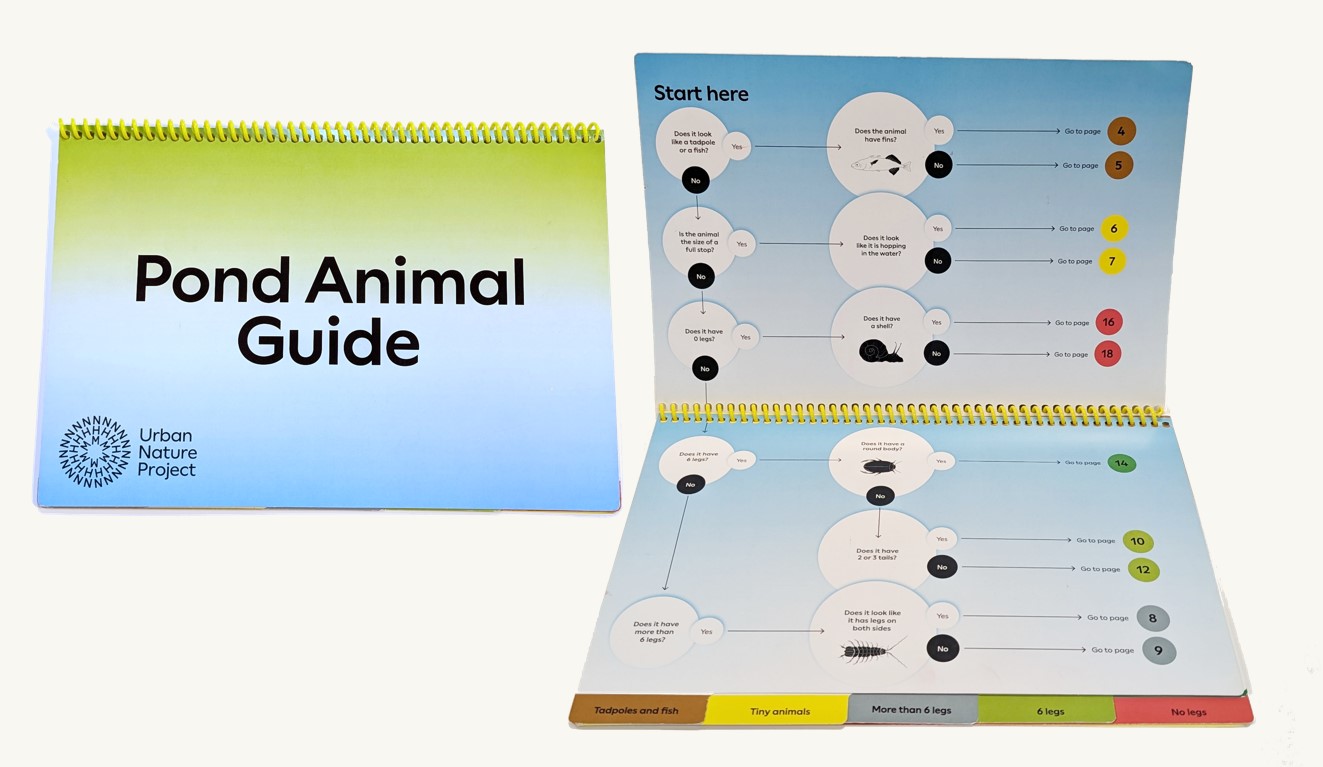
The booklet covers pond animals in more detail than the chart. Encourage learners to pay attention to details such as the shape of the animal’s body, legs, and antennae. If animals won’t pause long enough to give learners a close look, remind learners to keep the containers as still as possible to avoid frightening the animals.
These resources use ‘large backswimmer’ to refer to bugs in the genus Notonecta. Other UK resources may refer to this group as common backswimmers or greater water boatmen.
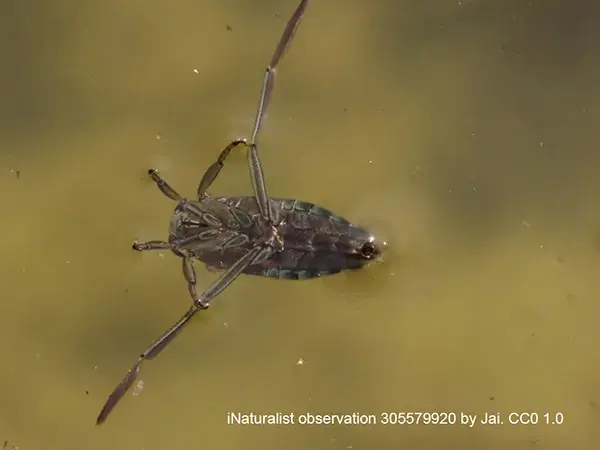
Taxonomic family - Notonectidae
Usually seen swimming on their back with their legs towards the surface of the pond.
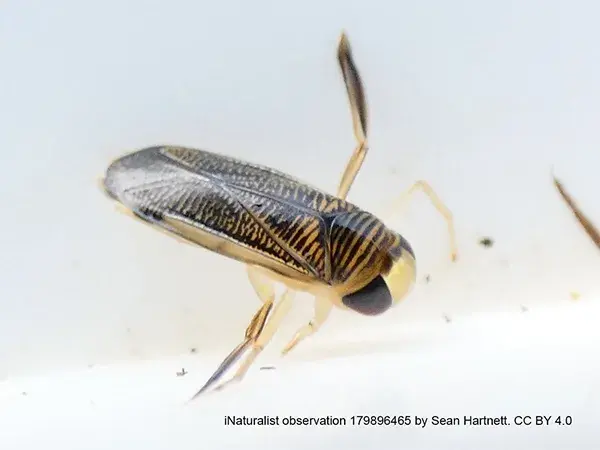
Taxonomic family - Corixidae
Usually seen swimming on their front.