Image

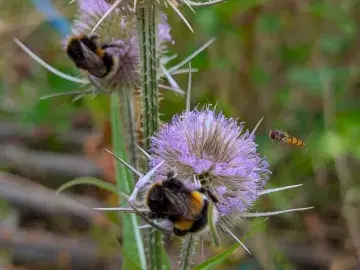
This presentation explores the relationships between bumblebees and flowers. The presentation also includes refresher slides on plant reproduction and how insects help pollinate plants more efficiently.
Key learning points include understanding pollination and the features that make bumblebees effective pollinators.
Indoors
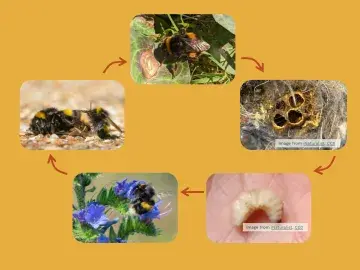
An overview of pollination, pollinators, and why pollinators matter.
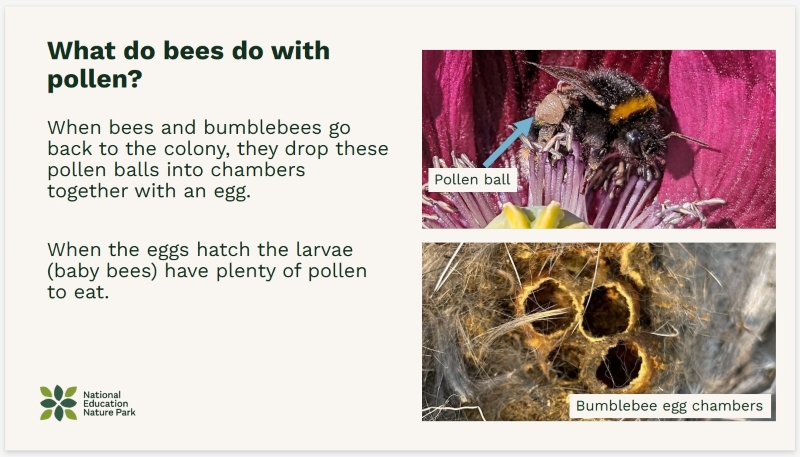
Information about the relationship between bumblebees and flowers.
Images explaining features that make bumblebees particularly good pollinators.
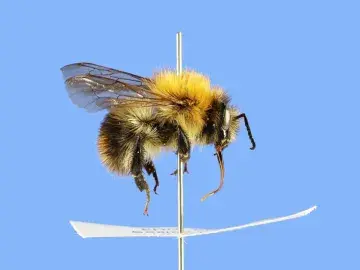
Look at the images of bumblebees from the collections at the Natural History Museum. Learners list differences between the bumblebees that might affect the way they pollinate.
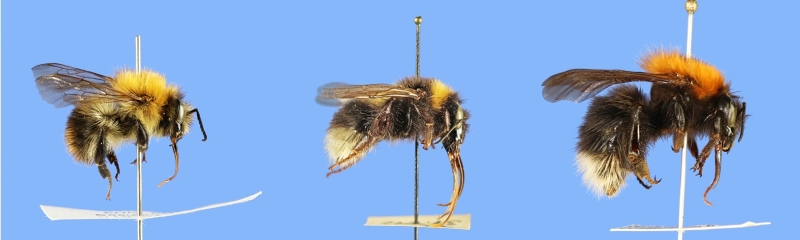
Some possible responses are listed in the notes. However, any differences learners spot might affect how bumblebees pollinate. Encourage learners to explain their thinking. Strong responses will include mention of how features might affect how bumblebees can get at pollen or nectar.
Many of these differences mean that some types of bumblebees prefer visiting certain types of flowers. This specialisation increases the efficiency of pollination for plants by reducing the amount of pollen that is wasted when bumblebees move it to flowers of a different species.