Grassland ecosystems

This resource helps learners understand the characteristics and processes that produce and maintain grassland ecosystems. Learners can also consider how human-made grasslands, such as lawns and playing fields, are maintained, and the consequences these processes have for nature.

This resource also supports learners to use Grassland plant survey results to understand the grasslands around the site. Learners will be able to use evidence to support decision-making about how biodiversity on their site can be supported.

Lesson plans
KS4
Biology

Preparation

What you need
  • grassland ecosystems presentation
  • grassland profiles handouts (optional)
Location

Indoors

Scaffolding resources

Image
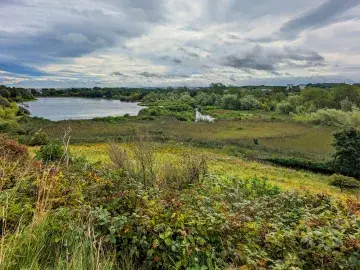
Photo of a landscape with a small lake, stream, and variety of other habitats visible.

Habitats: biotic and abiotic factors

Begin activity
Image
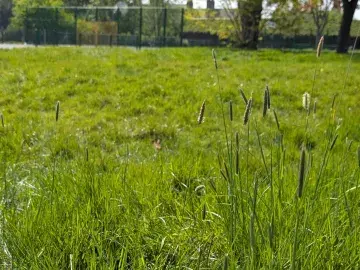
Grass with a tennis court in the background

Grassland indicator species

Begin activity
Image
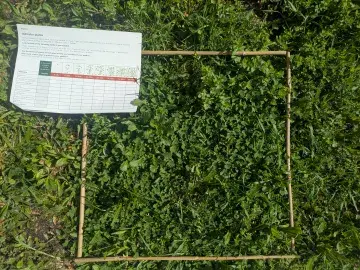
An image of a quadrat alongside the survey form

The Grassland Plant Survey - Expanded

Begin activity

Step by step

Learning outcomes (slide 2)
  • understand that grasses have adaptations that suit the combinations of factors and processes that cycle materials in grasslands
  • understand that humans can change these factors or disrupt these processes and that this has consequences for the ecosystem
  • describe the potential impacts of the processes used to maintain grasslands around schools
Grassland statistics (slides 3-4)

General facts about grasslands in global and UK contexts. 

Biotic and abiotic factors of grasslands (slides 5-8) 
  • Review of components of an ecosystem. 
  • Introduction to the abiotic and biotic factors that produce grassland ecosystems. 
  • Learners could research different grassland ecosystems, or use the provided Grassland Profiles to learn about the combinations of biotic and abiotic factors that produce grassland ecosystems.
Processes and interactions in grasslands (slides 9-12) 
  • Details on grazing and how this process or interaction maintains grasslands. 
  • Details on fire and how this process or interaction maintains grasslands. 
  • Learners research the processes that cause grasslands to change into other habitats. Good starting points for this research are included in the notes or at: Plantlife.org.uk and Kew.org
Grasslands for people (slides 13-16) 
  • Learners consider the differences between grasslands made for people and other grasslands. 
  • Learners consider the processes used to maintain grasslands made for people, and how these are similar to or different from natural processes.
  • Learners consider how other living things are impacted by the characteristics of grasslands made for humans, and the processes used to maintain them.
Reflection (Slides 17-19) 

Learners can discuss what they think is the best type of grassland habitat. 

  • A key takeaway here is that it is necessary to be clear about “best for what?” 
  • Strong responses here will demonstrate an understanding that different types of grassland will suit different purposes or organisms. 
  • Strong responses should also demonstrate understanding that the types of grassland that can form and be maintained in an area depend on the qualities of each site.

Learners could also identify opportunities to change characteristics or processes that maintain the grasslands around the school to better meet the needs of the community. Important sub-questions: 

  • Who and what makes up our school community? 
  • What needs or wants aren’t being met? 
  • Are there areas maintained for people that aren’t being used by people?