Image

What is an indicator species, and how can we use them to learn about the ecosystem in an area? Learners are guided in connecting the plants and soils topics and understanding some of the ways that plants can be suited to their environment.
This resource also supports the Grassland Plant Survey. Learners will be prepared with background knowledge that will help them interpret the results of their surveys. Key learning points include that plants get much of what they need to survive from soil, and that plants live in habitats to which they are suited.
Getting to know your space
Indoors
Overview of key vocabulary in this resource. For more detailed definitions and examples, see the Grassland indicators vocabulary presentation.
These slides explain the concept of an indicator species and walk learners through important characteristics of grassland soils and environments: the amount of nutrients in the soil, mowing or grazing by animals, and compaction.
These slides present information about the two main Nature Park grassland types and what details the indicator plants can tell us about the area.
Profiles of the plant used as indicator species in the Grassland Plant Survey.
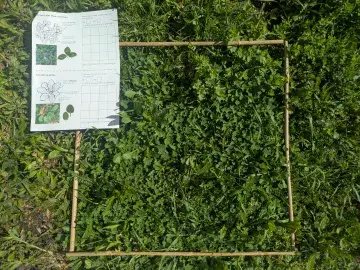
Use the indicator species tables and the example quadrats to practice doing the Grassland Plant Survey and inferring the quality of the habitat using the indicator species.
Or go outside and find a few areas where you can do the Grassland Plant Survey, then use the tables with your survey results to learn more about the qualities of the grasslands around your site.