Nature's loose parts

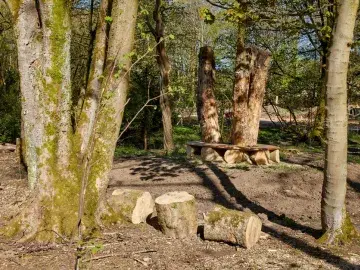
The loose parts station encourages learners to work together to collect natural objects from an outdoor space, creating opportunities for open-ended play and exploration of numbers, shapes and pattern. Loose parts are a great way to connect children to nature in both indoor and outdoor settings. This continuous provision station can be set up indoors or outdoors (but being outdoors may cause less mess). 

Activities (15+ min)
EYFS
Mathematics
Understanding the World

Preparation

What you need 
  • natural loose parts can consist of: straw, mud, pinecones, sticks or twigs, leaves, tree slices, bamboo canes, conkers and other natural objects that children express an interest in
  • optional: recycled loose parts such as cardboard boxes, rope and off-cuts 
Location

Indoors or outdoors

Useful guidance  

Step by step

  1. An engaging way to create a loose parts area is to visit a natural outdoor space with children and collect items together. This may be on your site, or a local green space.  
  2. Explore different objects together and discuss texture, weight, safety, shape and colour.  
  3. Back at your setting, set up your loose parts area (indoors or outdoors) to become a child-led space for enquiry learning. When introducing a loose parts zone, ensure safe boundaries are established and group expectations are agreed.
  4. Loose parts enable learners to connect to nature and explore number and shape through natural objects.
  5. Loose parts can also create time and space to discover and learn about wildlife through creating habitat piles, bird feeding stations, nesting boxes and much more.

To discover more about loose parts play, check out the Loose Parts Play Toolkit by Theresa Casey & Juliet Robertson.