Image

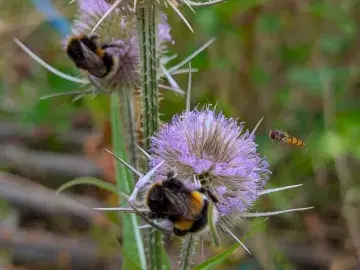
An introduction to the concept of an algorithm and the computational thinking skill of decomposition. Learners use the process of developing a branching key for identifying bumblebees to break down a complex task into simpler steps. Learners will also become more familiar with common bumblebees in the UK.
Key learning points include understanding variables and decomposition in the context of computing, as well as understanding how to group living things according to specific characteristics. Skills and knowledge developed in this resource also support learners to contribute to the Nature Park Pollinator Count.
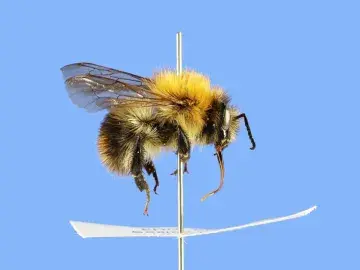
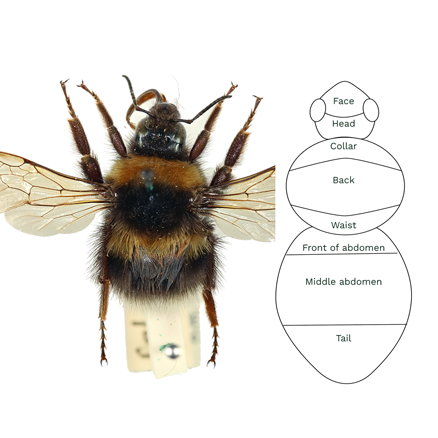 | Part 1 – Decomposition An introduction to the concept of an algorithm and the computational thinking skill of decomposition. Learners will break down a complex task into simpler steps by looking at the segments of bumblebees to identify them. By the end learners will have a table or spreadsheet that they can use to create an algorithm for identifying bumblebees. |
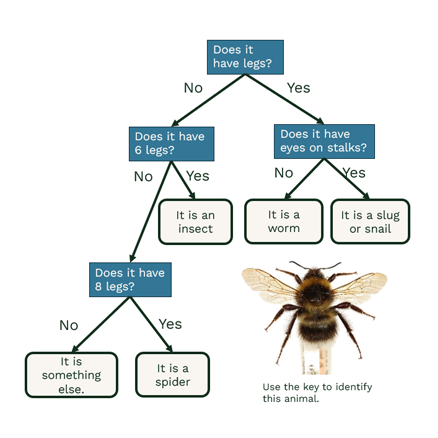 | Part 2 – Algorithms A more computational way of developing a branching key. Learners use the table or spreadsheet created in Part 1 to understand variables and values. By the end learners will have created an algorithm for identifying bumblebees. |
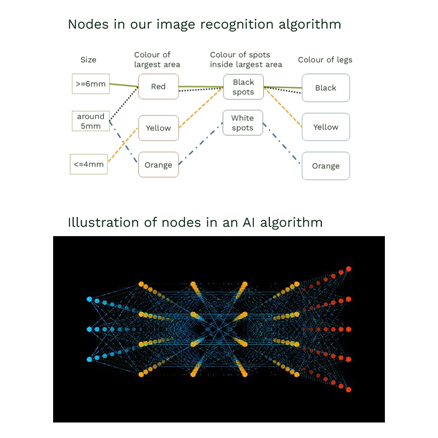 | Part 3 – Thinking about image recognition This resource draws connections between learners’ bumblebee identification algorithms and the way AI image recognition algorithms work. Learners will develop their understanding of the strengths and weaknesses of using AI and photos to track biodiversity. |